On cowardice, solidarity, small acts of rebellion, and why building community before the emergency is the point.
Sorry to break it to you, but we’re all a little cowardly inside. I mean this in the nicest, most non-judgmental way possible, and I shall even label myself a recovering coward too.
2026 didn’t start well for Portugal (nor for the world?). A lot of people lost everything in the recent storms and floods. And naturally, many people ran out to help. They donated money, time & attention, resources, energy. We’re a hopeful bunch, no matter what media perception might tell you. People showed up even when it felt uncertain what to do, even when official processes felt impossibly slow, even when their contribution felt like a drop against an ocean of broken houses.
I’ve seen a Portuguese newspaper with an opinion piece saying “helping is sexy now, but we’ll soon forget”. I didn’t read it because paywall but the title seems crafted to be triggering (or provocative, which makes it way more interesting). Like solidarity is a performance, that none of it sticks. And I get where it comes from, but that title feels reductive in a time where people need hope.
How can help be performative when people organize social impact movements and events for free? When you go to donate blood and the queue on a sunny day on Saturday has people of all ages who showed up with no reward? When someone puts up a donation sign and it actually fills up? Does it actually matter if we do it in waves, but that at least we do it?
A couple of volunteers created a platform to help in the storms called TempestadeSOS that in 7 days mobilized more than 2000 volunteers and solved more than a thousand requests for help.
People do want to help. Most of us genuinely do. Many times we don’t know where to start, and we definitely need a little push.
Relax, take it easy
In Portugal (and probably most of Europe) we live with a low, chronic lack of urgency. It’s not that we don’t care, but we have been programmed to passivity. We’re resentful and conformed with poorly-working systems. People without urgency don’t create, so they don’t push for change nor innovation. Hell, we’re worked to the bone, we’re exhausted, right?
And when you’re faced with a big emergency like a flood, a fire, a moment where someone needs you, there’s only one out of three things you’ll do. You’ll fight, flee, or freeze. And no matter how confident you are that you’d be the first one to react and help, you genuinely cannot know until you’re standing in front of it.
That might seem sad, but we’re human. And in fact, forget the big emergencies for a second. Are you even reacting to the small ones?
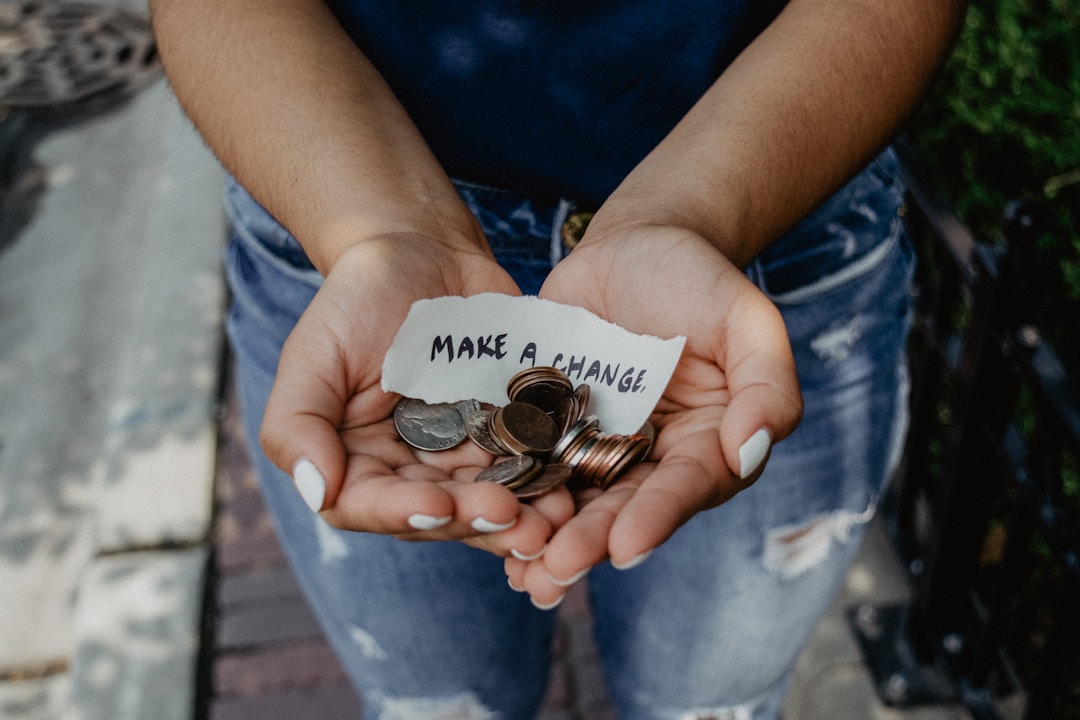
Small Acts (Photo by Nik on Unsplash)
Do you share important causes with your close friends, not just publicly, but directly, as in “hey, this matters, look at this”? When someone in your circle says something stupid about other people, do you let it slide? If your friend was catcalling someone, would you actually say something?
“I’m not going to end a friendship over politics” — it boggles me that people say this like it’s an excuse not to discuss important topics. Calling out a friend’s shitty views isn’t a friendship-finisher. And if speaking out would break it, maybe you should find a better peer circle.
There’s this movie I think you’ll like
The thing about not valuing the importance of your small acts is that it leaves you vulnerable. The big bad wolves are feeding us an impossible timeline of genuinely terrible news and are counting on your hopelessness. They need us passive and feeling like “oh well, nothing to be done.”
When I’m too tired to clean up my house because I can’t even fix the entire world, I only donated 5€ here and 10€ there and why does it look like everybody has turned into a terrible fucking human being recently?, I think about this poem.
Small Kindnesses by Danusha Laméris
I’ve been thinking about the way, when you walk down a crowded aisle, people pull in their legs to let you by. Or how strangers still say “bless you” when someone sneezes, a leftover from the Bubonic plague. “Don’t die,” we are saying.
And sometimes, when you spill lemons from your grocery bag, someone else will help you pick them up. Mostly, we don’t want to harm each other.
We want to be handed our cup of coffee hot, and to say thank you to the person handing it. To smile at them and for them to smile back. For the waitress to call us honey when she sets down the bowl of clam chowder, and for the driver in the red pick-up truck to let us pass.
We have so little of each other, now. So far from tribe and fire. Only these brief moments of exchange. What if they are the true dwelling of the holy, these fleeting temples we make together when we say, “Here, have my seat,” “Go ahead—you first,” “I like your hat.”
The little run across the crosswalk so you don’t add stress to the traffic jam. Catching a piece of broken glass in the sand because a person or a dog could cut themselves on it. Seeing someone lost staring at a bookshelf and giving our personal recommendation.
The small acts between us are acts of rebellion. Quiet daily proof that you are more than capable of helping others, of choosing to live in society.
And they’re also the foundation of every community that’s ever worked.
We’ll carry on, we’ll carry on
Everyone is talking about villages right now. Third spaces, going analog, the return of the dinner party. People are nostalgic for something they can’t quite name anymore but remember from childhood or small towns or stories their parents told. And yet we still won’t put the phone down.
I read somewhere that the ratio of organizers seems to be 1:50. For every person that organizes something, fifty people show up. I’ve worked with worse odds. It’s one person taking countless hours to prepare an event, the first to arrive to set up the venue and the last to leave to pick out the trash, and fifty people (hopefully) enjoying that moment. Some of them will never have a thought about the effort from that one person, will take it for granted. Some will complain the gathering wasn’t that good, that it doesn’t happen often enough, that they should’ve offered free beer.
I also read a post on Tumblr once (yes, I am very cultured in my sources) that if you wish you had a friend who invited you over for tea, you should just become that friend.
And that’s it. That’s community.
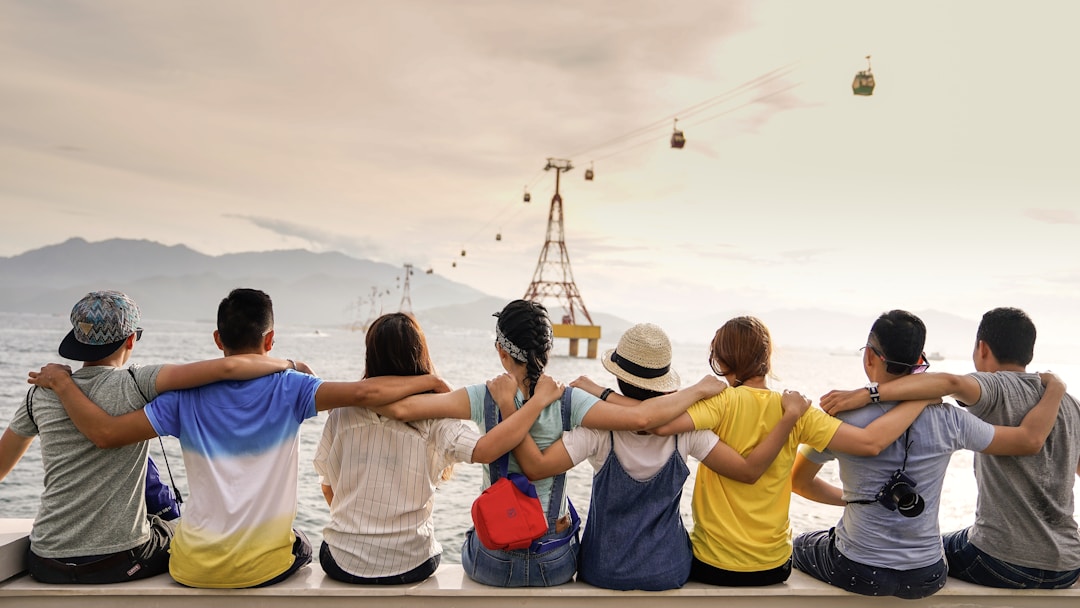
A community builder convinces a participant to help out next time (Photo by Claudio Schwarz on Unsplash)
In the viral moments of collective solidarity, some people get their head out of their own bubble and realize how powerful they actually are. There will be another person who realizes they don’t need to wait to be invited, to wait until obvious urgency. Another person that sets the table before the emergency, so that when it comes (and it might), the people gathering to help already know each other’s names.
You probably won’t be a hero in the big moment. You probably wouldn’t really want to be one either. What you can be, is a person who built bridges in between.